Merry Christmas!
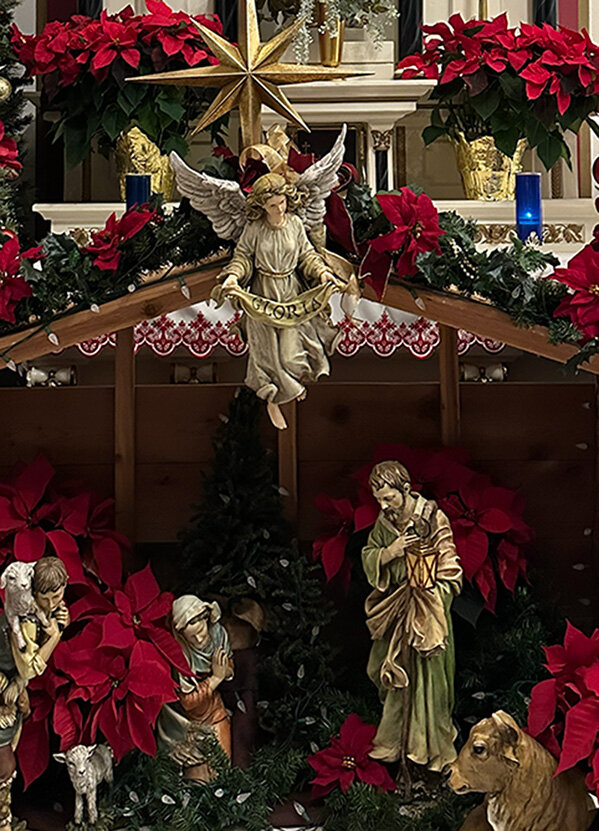
From the earliest times in our Church, we have illustrated the Birth of Jesus in art. True art strives to look not just at a picture of what is happening, but at the true reality of a scene. For example: we don’t see angels in photographs, but we do see depictions of them in art. This year, I thought it would be interesting to look at some art and think about what it tells us about the birth of Jesus. I hope you find this as fun and interesting to read as I found it to write!
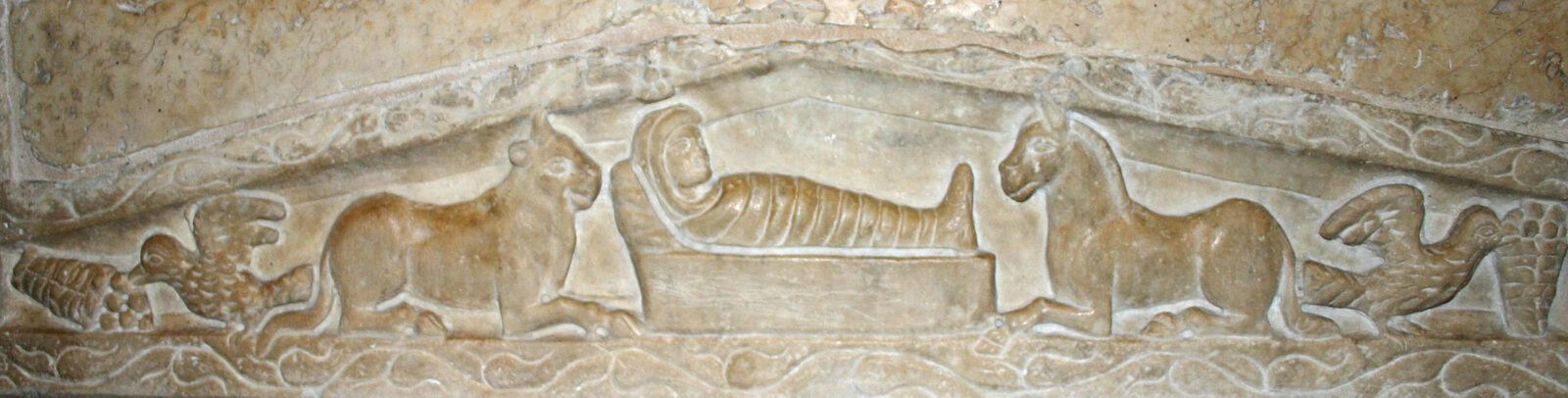
The earliest images of the Nativity show us what the early Church found most important to communicate about the reality of the birth of Jesus. Interestingly, as we see in this fourth century mosaic, only Jesus, the ox, the ass, and some birds are shown. These depictions call to mind the prophet Isaiah, who wrote, “An ox knows its owner, and an ass, its master’s manger; But Israel does not know, my people has not understood.” (Isaiah 1:3) St. Ambrose, St. Augustine, and others say that the ox–a kosher animal–represents the Jewish people, weighed down under the yoke of the law while the ass–an unclean, stubborn animal–represents the pagan people, who foolishly worship idols of false gods. The depiction reminds us of why Christ was born: he will free us from oppression, sin, and evil and bring about a new creation. The birds eating fruit from full baskets, perhaps, remind us that God came to make us a new creation and fill us with the abundant fruit of his grace.
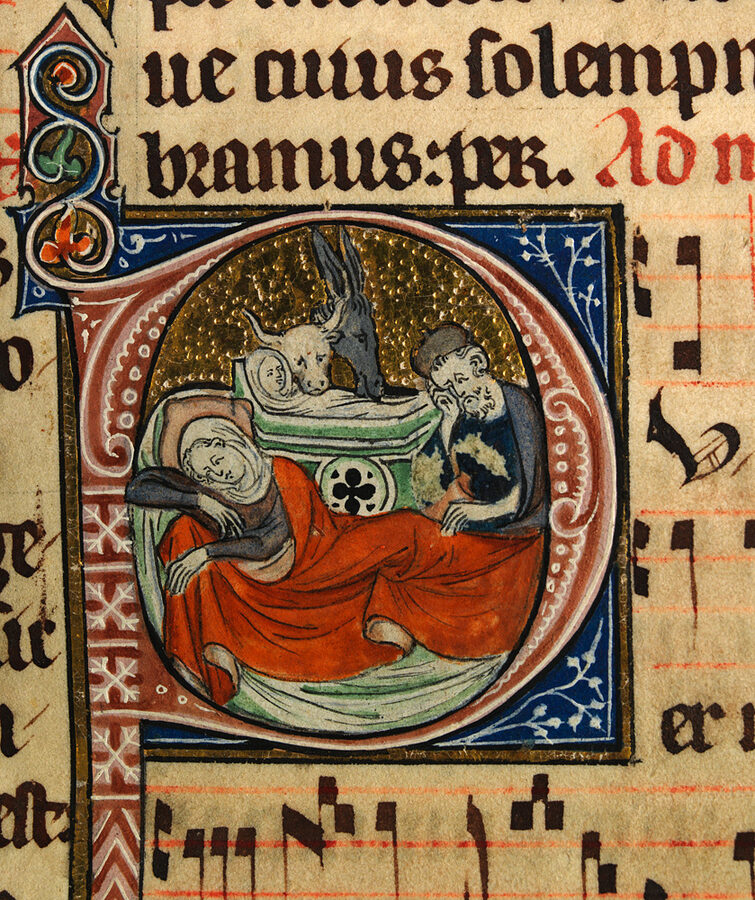
In this image, from a liturgical book made between 1310-1320, we see Christ with the ox and ass, but now the Blessed Mother and St. Joseph are depicted. One of the more interesting things about this is the swaddling clothing around Christ. It almost looks like a burial cloth! Mary looks away from her newborn son in this image. Why? St. Joseph looks exhausted. Or is he pondering what has happened? Maybe it’s related to the verse from Isaiah: “But Israel does not know, my people has not understood.” (Isaiah 1:3) Maybe Joseph who follows the law of God with all his heart, is a symbol of all Israel. For all his holiness and virtue, maybe Joseph doesn’t really understand what just happened. A tired, confused, and pondering Joseph could also be a representation of all humanity. We are tired from our struggle with sin, we are confused when we try to comprehend the goodness of God, and we have to work very hard to ponder these mysteries in our hearts, as Mary did.
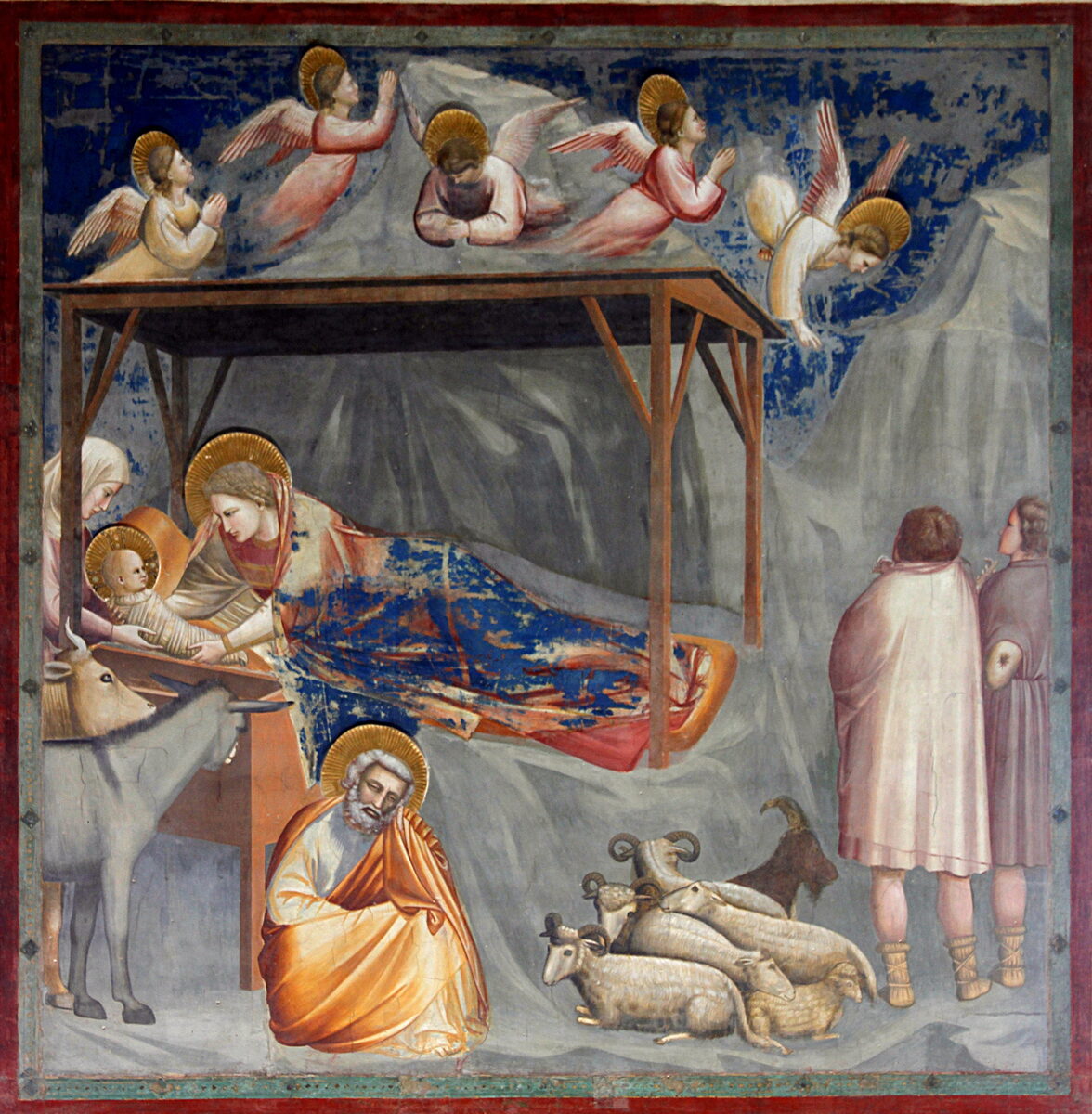
In this final image, painted by Giotto around 1305, Jesus is wrapped in what resemble burial cloths, reminding us that he was born so that he could conquer death through dying. Unlike the other images, he clearly is lying in a manger—a food trough. This reminds us that Christ said, “I am the living bread that came down from heaven; whoever eats this bread will live forever; and the bread that I will give is my flesh for the life of the world.” (John 6:51)
We also see the addition of angels and shepherds in this image. The angels appear to be both praising God and worshiping Christ. The ox and ass still adore the child, but now the shepherds have arrived so other animals are present. The shepherds seem to be looking at one of the angels, puzzled at the news the angel is proclaiming to them. St. Joseph is either sleeping or pondering–it’s hard to say which it is. Mary is deeply invested in her son in this image, doting on him as a good mother would.